



New Home Pest Control: Complete Guide for New Homeowners
Buying a new home is exciting, but pest problems can quickly spoil the fun. Many first-time buyers think a brand-new property is pest-free. Unfortunately, that’s not always true. New home pest control is essential, even in newly constructed houses, to prevent damage and protect your investment from the start.
This guide explains why pest control matters for new homeowners, how to pest-proof your home, and which pests are most likely to show up in new homes.
Why New Home Pest Control Is Essential for First-Time Homeowners
Can Brand-New Homes Have Pest Problems?
Yes, new homes can definitely have pest problems.
Building a new home often disturbs the soil, which can drive termites, ants, and rodents toward your house. Empty homes waiting to be sold also give pests a quiet place to hide. Even building materials can attract insects like carpenter ants or beetles.
Common reasons pests invade new homes include:
Soil disruption during construction: Excavation and grading disturb pest habitats, which can force termites, ants, and rodents to move toward your new home’s foundation. This extra underground activity can make new homes especially vulnerable in their first year.
Gaps in foundations or framing: Small cracks or unsealed joints in the foundation, siding, or framing make it easy for insects and rodents to get inside. Even openings as small as ¼ inch can let pests into walls and crawl spaces.
Incomplete sealing around doors and windows: Poorly sealed thresholds, weather stripping, and window frames leave small openings that pests use to get inside for shelter and food. These gaps also let in moisture, which attracts insects like ants and cockroaches.
Landscaping placed too close to the house: Shrubs, mulch, and tree branches that touch the home can help pests get inside. Thick landscaping also holds moisture near the foundation, which increases the risk of termites and other insects that like damp areas.
The Cost of Ignoring Early Pest Prevention
Failing to implement pest prevention for new homes can result in:
Structural damage from termites or carpenter ants: These pests tunnel through wood framing, which weakens important structures and can damage floors, walls, and support beams. If not treated, this damage can lead to expensive repairs and lower your property value.
Electrical hazards from rodents chewing wires: Mice and rats often chew on wiring to keep their teeth short, which can strip insulation and expose live wires. This raises the risk of short circuits, power failures, and even house fires.
Health risks from cockroaches and rodent droppings: Cockroach allergens and rodent waste can cause asthma, allergies, and breathing problems, especially in children and pets. These pests also carry bacteria that can contaminate food areas and surfaces.
Higher extermination costs if infestations spread: Small pest problems can get worse quickly if ignored, leading to bigger infestations that need more expensive treatment. Acting early is much cheaper than dealing with a major infestation later.
Proactive new home pest control is significantly less expensive than remediation after an infestation takes hold.
Common Pests in New Homes – And How to Identify Them
Ant Infestations in Newly Built Houses
Ants often show up in new homes because their colonies nearby have been disturbed.
Ants common species include:
- Pavement ants
- Carpenter ants
- Odorous house ants
If you see ant trails along baseboards or kitchen counters, it’s important to act quickly.
Rodents in New Residential Developments
New developments are often next to open land, which is a perfect place for mice and rats to live.
Watch for:
- Droppings in cabinets or garages
- Chew marks on packaging
- Scratching noises in the walls
- Small gaps around utility lines
Rodents can squeeze through holes as small as a dime.
Spiders, Cockroaches, and Other Household Pests
Even clean, modern homes can attract:
- Spiders seeking insects
- Cockroaches are drawn to moisture.
- Silverfish in humid areas
New homes with unfinished yards or moisture problems are especially at risk.
New Home Pest Control Checklist: Step-by-Step Guide
Here’s a practical checklist to pest-proof a new house.
Step 1 – Schedule a Professional Pest Inspection
Before or right after you move in, schedule a comprehensive pest inspection to check your new home. A licensed pest control technician can spot early warning signs like termite activity, moisture problems, or hidden entry points that homeowners might miss. Finding these risks early lets you take action before small problems turn into expensive infestations.
Step 2 – Seal Entry Points and Foundation Cracks
Prevention begins with exclusion.
Caulk cracks in foundation and siding: Sealing visible cracks in the foundation and siding keeps insects like ants and termites from getting in through gaps. Use good, weather-resistant caulk to make a strong barrier against pests and moisture.
Install door sweeps: Door sweeps close the gap at the bottom of exterior doors, blocking entry points for rodents and crawling insects. They also help with energy efficiency and keep pests out.
Seal gaps around pipes and vents: Openings around plumbing, cables, and vents can let pests in. Use expanding foam or silicone sealant to close these gaps and stop pests from getting into walls and crawl spaces.
Repair torn window screens: Damaged window screens let flying insects like mosquitoes, flies, and wasps into your home. Fix or replace torn screens quickly to keep pests out while letting air in.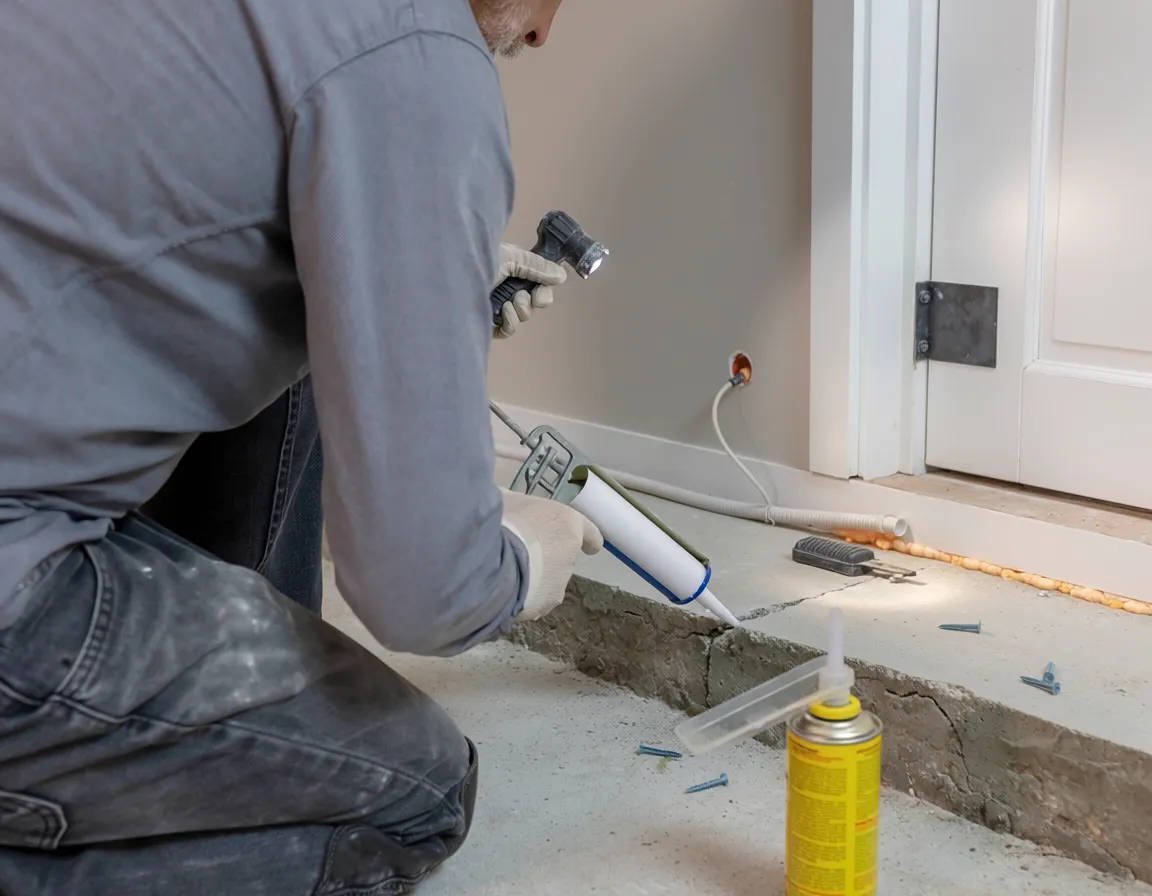
Step 3 – Protect Your Yard and Landscaping
Your yard plays a major role in pest prevention.
Keep mulch at least 12 inches from the foundation: Mulch holds moisture and can attract termites and other insects if it touches your house. Keeping a 12-inch gap creates a dry space that helps keep pests away.
Trim tree branches away from the roof: Branches that hang over your roof can help rodents, ants, and other pests get inside. Trim them regularly to block these paths and reduce debris that holds moisture.
Improve drainage to prevent standing water: Poor drainage makes damp spots that attract mosquitoes, termites, and other pests that like moisture. Make sure gutters, downspouts, and the ground all direct water away from your foundation.
Store firewood away from the house: Firewood stacked next to your home gives termites, ants, and rodents a place to hide. Keep woodpiles at least 20 feet from the house and off the ground to reduce pest problems.
Good landscaping can greatly reduce pest problems.
Step 4 – Set Up Preventative Pest Treatments
Preventative treatments help create a barrier that keeps pests out.
Options include:
Perimeter spray treatments: These treatments create a barrier around your home’s exterior to keep insects from getting in. Spraying along foundations, entry points, and landscaping edges helps stop ants, spiders, and other crawling pests before they come inside.
Termite bait systems: Bait stations are placed in the soil around your home to watch for and get rid of termite colonies at the source. These systems offer ongoing protection and work well for long-term termite control.
Rodent monitoring stations: These tamper-resistant stations help spot and control rodent activity around your property before it becomes a bigger problem. They let you act early and lower the risk of rodents nesting inside or causing damage.
Eco-friendly pest control solutions: Eco-friendly treatments use low-toxicity or botanical-based products designed to minimize environmental impact. These solutions are ideal for households seeking effective pest control while giving priority to safety for children, pets, and beneficial insects.
Seasonal Pest Control Guide for New Homes
Pest activity changes throughout the year. A seasonal pest control checklist ensures year-round protection.
Spring and Summer Pest Prevention Tips
Warmer weather increases activity from:
- Ants
- Termites
- Mosquitoes
- Wasps
Check your foundation, get rid of standing water, and make sure your barrier treatments are still working.
Fall Pest-Proofing Checklist
When it gets colder, pests look for warmth inside your home.
- Seal new cracks
- Inspect attic insulation
- Check garage door seals.
- Store food in airtight containers
Winter Pest Control Maintenance
Even though pest activity slows down in winter, some indoor pests stay active.
- Monitor basements and crawl spaces.
- Maintain low humidity levels.
- Inspect stored holiday decorations.
Eco-Friendly and Pet-Safe Pest Control Options
Many new homeowners prefer environmentally responsible solutions.
Consider:
Integrated Pest Management (IPM) – Integrated Pest Management is a strategic, environmentally responsible approach that combines inspection, monitoring, exclusion, and minimal chemical use to control pests effectively. IPM focuses on long-term prevention by addressing root causes such as moisture issues, food sources, and structural entry points.
Botanical-based insecticides – Botanical insecticides are derived from natural plant extracts and are designed to target pests while reducing environmental impact. These treatments can be effective against common household insects while offering a lower-toxicity alternative to traditional chemical products.
Mechanical traps – Mechanical traps physically capture or eliminate pests without the use of chemical pesticides. Common examples include snap traps, glue boards, and insect light traps, which provide targeted control for rodents and crawling insects.
Non-toxic rodent deterrents – Non-toxic deterrents use scent-based repellents, ultrasonic devices, or exclusion materials to discourage rodent activity without poisoning. While effectiveness varies, they can be useful as part of a broader preventative pest control strategy.
There are pet-safe pest treatments available, and they work well when applied by professionals.
Benefits of Hiring a Professional Pest Control Company
Professional pest control services provide:
Comprehensive inspections – Professional pest control services begin with a detailed inspection of the interior and exterior to identify active infestations, conducive conditions, and structural vulnerabilities. This thorough assessment ensures no hidden entry points or early warning signs are overlooked.
Targeted treatment plans – Rather than using a one-size-fits-all approach, professionals develop customized treatment strategies based on the specific pest species, severity of activity, and property layout. This precision improves effectiveness and reduces unnecessary chemical use.
Long-term prevention strategies – Beyond eliminating current pests, experts implement preventative measures such as exclusion work, monitoring systems, and scheduled maintenance visits. These strategies help prevent recurring infestations and provide year-round protection.
Safe product application – Licensed technicians are trained to apply pest control products according to regulatory standards and manufacturer guidelines. Proper handling and placement reduce health risks to residents, pets, and the surrounding environment.
Service guarantees – Many professional pest control companies offer warranties or service guarantees, providing follow-up treatments if pests return within a specified timeframe. This added protection offers homeowners confidence and long-term value.
Preventative Tips for New Home Pest Control
Conduct routine inspections – Walk the perimeter of your home monthly to check for cracks, gaps, damaged screens, or signs of pest activity. Early detection significantly reduces the risk of full-scale infestations.
Maintain a clean kitchen environment – Store food in airtight containers, wipe down surfaces daily, and promptly clean spills to eliminate attractants for ants, cockroaches, and rodents.
Control indoor moisture levels – Use dehumidifiers in basements and crawl spaces to reduce excess humidity that attracts termites, silverfish, and mold-associated pests.
Dispose of trash properly – Use sealed garbage bins and remove trash regularly to prevent attracting flies, rodents, and other scavenging pests.
Keep gutters and downspouts clear – Clogged gutters create standing water and wood rot, both of which increase pest vulnerability around the roofline and foundation.
Seal food and pet supplies securely – Pet food left out overnight is a common attractant for rodents and insects. Store it in tightly sealed containers when not in use.
Schedule seasonal pest control maintenance – Quarterly treatments or annual inspections help maintain a protective barrier and address problems before they worsen.
Consistent prevention is the most cost-effective strategy in new home pest control, protecting both your property and your long-term investment.
Conclusion
Protect Your Investment with Smart New Home Pest Control
Your new home is probably your biggest investment. If you ignore pest prevention, you could risk the structure, your health, and your property value. A proactive new home pest control plan helps protect your investment from the start. Schedule inspections, seal up any gaps, keep up with landscaping, and think about hiring professionals for full protection.
Ready to Protect Your New Home?
Don’t wait until a minor pest issue turns into expensive structural damage. Proactive new home pest control is the smartest way to safeguard your investment from pests and other hidden threats.
Schedule a professional new home pest inspection today and receive a customized prevention plan tailored to your property’s specific needs. Contact Family First Pest Control today to ensure your home stays safe, clean, and pest-free all year long.
Your home is one of your biggest investments. Protect it with proactive pest control you can rely on.
 Call: (602) 292-5429