




General Pest Control Services in Arizona: Why It Matters
If you’ve spotted a scorpion crawling across your floor, discovered termite damage behind a wall, or watched a trail of ants march through your kitchen, you already know how unsettling pest problems can be. General pest control services in Arizona aren’t just a convenience — they’re a necessity. Arizona’s intense heat, dry desert landscape, and rapid suburban growth create ideal conditions for some of the most stubborn and dangerous pests in the country. Whether you’re dealing with an active infestation or trying to stay ahead of one, you’re in the right place.
This guide explains which pests are common in Phoenix, what professional pest control includes, what it costs, and how to find a reliable exterminator. You’ll get straightforward, honest advice to help protect your home, your family, and your peace of mind.
Why Arizona Is One of the Most Pest-Prone States in the U.S.
Arizona’s Climate Means Pests Never Really Take a Break
Most states get a break from pests during winter, but not Arizona. Warm weather lasts all year, so pests stay active in and around your home every single month. When summer temperatures go over 110°F, pests don’t disappear—they come inside searching for water, shade, and food.
Phoenix is located in the Sonoran Desert, which is one of the most biologically diverse deserts on earth. Biodiversity is stunning in nature. It’s far less welcome when it shows up in your garage late at night.
The Most Common Pests Found in Arizona Homes
Homeowners looking for a reliable pest solution in Phoenix are most often dealing with:
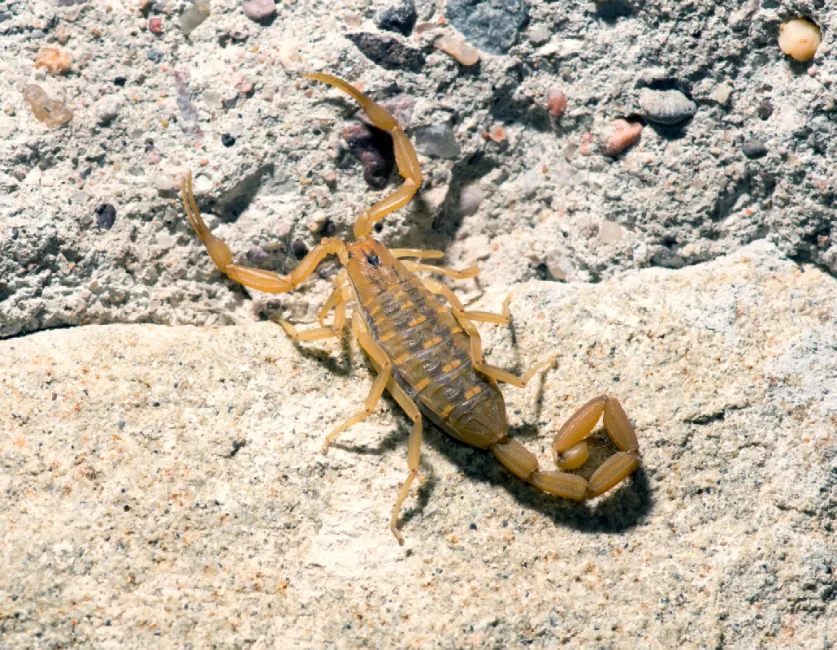
- Bark scorpions — the only scorpion in North America with a medically dangerous sting
- Subterranean termites — a silent, destructive threat to Arizona’s wood-framed homes
- Roof rats – increasingly common in established Phoenix neighborhoods with mature trees
- German and American cockroaches – especially active during the monsoon season, due to the humidity
- Black widow spiders — frequently hiding in garages, block walls, and patio furniture
- Harvester and fire ants — aggressive and painful, particularly for children and pets
- Africanized bees — far more defensive than common honeybees; never disturb a hive yourself
The first step is knowing which pests you’re dealing with. The next is getting the right pest service before a small problem becomes a big one.
New Construction Makes the Problem Worse
Every new subdivision built in Buckeye, Queen Creek, or Maricopa disturbs existing desert habitat. Displaced pests — especially scorpions and rodents — move toward the nearest shelter and food source: your home. If your neighborhood is newer, your pest pressure is likely higher, at least initially.
📋 Quick Recap: Arizona's Pest Reality
Year-round warmth, desert biodiversity, and rapid urban growth make Arizona one of the highest-risk pest states in the country. There's no "off-season" — only proactive homeowners and reactive ones.
What General Pest Control Services Actually Include
More Than Just Spraying the Baseboards
A standard Phoenix general pest control visit is not someone showing up with a spray bottle for 10 minutes. A thorough treatment from a reputable company typically covers:
- Interior treatment — targeted applications along baseboards, walls, and high-activity zones
- Exterior perimeter barrier — chemical protection around the foundation, windows, and doors
- Crack and gap treatment — sealing the hidden entry points pests use most.
- Spider web and wasp nest removal — clearing visible activity around the structure
- Inspection report — identifying the conditions inside and outside your home that attract pests
It’s like a health checkup for your home. A good technician treats what you see now and also works to prevent future problems.
One-Time Service vs. a Recurring Plan: Which Do You Need?
A one-time treatment is fine for small, isolated problems, like a sudden ant invasion after a storm. But for most Arizona homeowners, choosing a quarterly or bi-monthly service plan is a better long-term solution.
Here’s the simple reason: pesticide barrier treatments break down faster in Arizona’s intense UV rays and heat than in cooler climates. Waiting six months between treatments leaves your home unprotected. A recurring plan keeps that barrier active before pests get a foothold.
Residential vs. Commercial Pest Control: Know the Difference
Homes and businesses have very different pest control needs. Residential service focuses on family and pet safety, comfortable living spaces, and eco-conscious products. Commercial pest management — for restaurants, warehouses, or office buildings — involves health code compliance, documentation requirements, and higher service frequencies.
If you’re a business owner, confirm that your provider has genuine commercial experience, not just a residential license applied to a commercial property.
📋 Quick Recap: What You're Actually Paying For
A real pest control visit covers interior and exterior barriers, entry point treatment, and a proper inspection. If a company can't explain what they're doing step by step — keep looking.
Why Pest Control Matters: Health, Home, and Property Value
Pests Aren’t Just Annoying — Some Are Genuinely Dangerous
The bark scorpion’s venom can trigger severe reactions in children, elderly adults, and pets. Cockroaches spread bacteria, including Salmonella and E. coli, and are a leading asthma trigger in kids. Roof rats carry Hantavirus, which spreads through contact with droppings — not just bites.
Ignoring an infestation isn’t a neutral decision. Every day you wait, the risk grows.
Structural Damage That Builds Silently
Wood-destroying pests are a serious and often hidden threat in Arizona homes. The problem is that structural damage can build up quietly, long before you see any signs.
By the time you notice mud tubes along your foundation or wood that sounds hollow when tapped, the problem may have been developing for years. Catching this early — through routine inspections included in a general pest control plan — is far cheaper than the structural repairs that follow.
Yes, Pests Can Affect Your Home’s Resale Value
In Arizona, evidence of an active pest infestation — especially termites — must be disclosed during a real estate transaction. A pest problem can stall a sale, reduce your asking price, or kill a deal entirely. Buyers request inspections, and sellers with untreated issues pay the price — sometimes tens of thousands of dollars in repairs or negotiated concessions.
📋 Quick Recap: The True Cost of Waiting
Between health hazards, hidden structural damage, and real estate risk, untreated pest problems cost far more than a service plan ever will. Prevention is always cheaper than remediation.
DIY vs. Professional Pest Control: Which Is Right for You?
What Store-Bought Products Can Do — and Where They Have Limits
Your local Home Depot has no shortage of pest sprays, traps, and powders — and for the right situation, they can absolutely help. The key is knowing what they’re designed to do.
Most over-the-counter products work by repelling pests rather than eliminating them at the source. For something like scorpions, this can actually move the problem rather than solve it — a bark scorpion that senses a repellent won’t die, it’ll simply find another way in. Understanding this helps you make a smarter choice for your home.
What a Licensed Professional Brings to the Table
Professional pest control isn’t just about stronger products — it’s about a more complete approach. Here’s what a licensed technician offers that’s hard to replicate on your own:
- Commercial-grade products — more effective formulations with longer-lasting results than retail options
- Trained inspection skills — identifying nesting sites, entry points, and harborage conditions that are easy to miss without experience
- Integrated Pest Management (IPM) — a science-based approach that combines targeted treatment with habitat modification and exclusion, reducing pest pressure long-term rather than just temporarily
Choosing the Right Approach for Your Situation
DIY pest control can be a great first step for minor, isolated issues — a small ant trail in the kitchen, for example. You know your home, and sometimes a quick solution is all you need.
That said, for more persistent or serious concerns — scorpions, termites, roof rats, or recurring infestations — professional pest control tends to deliver better results faster, and often proves more cost-efficient over time. It’s not about replacing what you’ve tried; it’s about making sure the problem is fully resolved so you can get back to enjoying your home.
📋 Quick Recap: Know When to Call in the Pros
Consumer products are a solid starting point for minor pest issues. But for Arizona's toughest challenges — scorpions, termites, and rodents — professional-grade solutions and trained technicians don't just make a difference, they make the right difference for your home and family.
Seasonal Pest Control in Arizona: What to Expect All Year
Spring (March–May): Wood-Destroying Pest Activity and Bee Season
When temperatures rise, wood-destroying insects start to swarm. You might see groups of winged insects, which are often mistaken for flying ants. If you spot them inside your home, it’s a warning sign that you should call a professional right away.
Spring also means more Africanized bee activity. If you see a hive forming under your eaves or in a wall, don’t try to remove it yourself. Disturbing a hive can cause a dangerous swarm.
Summer (June–September): Peak Scorpion Season
Public health officials have flagged 2025–2026 as a potentially high scorpion activity period in Phoenix, driven by warmer early-season temperatures and continued urban development disrupting natural habitats.
During peak scorpion season:
- Shake out shoes before putting them on — every single time.
- Keep bedding, towels, and clothing off the floor.
- Seal gaps around doors, window frames, and plumbing entry points
- Schedule a professional treatment; bark scorpions resist most over-the-counter sprays.
Many Phoenix general pest control companies offer UV black-light scorpion inspections — a method that makes scorpions glow in the dark and is far more effective than visual checks alone.
Fall and Winter (October–February): Rodents and Cockroaches
When it gets cooler, rodents look for warmth inside walls, attics, and crawl spaces. Roof rats are especially active in older Phoenix neighborhoods with mature citrus trees, which they use for food. Fall also brings more cockroaches indoors, as they move inside to stay warm.
Scheduling a preventive home pest service before the cooler months keeps these unwanted houseguests from settling in for the season.
📋 Quick Recap: Pests Follow a Calendar
Spring brings termites and bees. Summer means scorpion and mosquito surges. Fall and winter invite rodents and cockroaches indoors. Year-round coverage is the only complete solution in Arizona.
Eco-Friendly and Pet-Safe Options
You don’t have to choose between effective pest control and a safe home. Many reputable Phoenix exterminators now offer Integrated Pest Management (IPM) — an approach that minimizes chemical use by combining targeted treatments, physical exclusion, and habitat changes.
When asking about eco-friendly pest control options, look for:
- Low-toxicity, EPA-registered products approved for use around children and pets
- Botanical-based treatments for less severe or preventive applications
- Exclusion services — physically blocking entry points rather than relying solely on chemical barriers.
One practical tip: always tell your provider about pets, children, and any allergies before the technician arrives. Treatment plans can and should be adjusted accordingly.
Frequently Asked Questions
For most Phoenix homeowners, quarterly treatments are the baseline. Homes near desert preserves, new construction, or with known scorpion or termite pressure benefit from bi-monthly service.
A one-time visit eliminates an existing problem. An ongoing plan maintains a protective barrier that prevents new problems from developing. In Arizona’s climate, an ongoing plan is almost always the better long-term investment.
Watch for: mud tubes along your foundation or baseboards, wings discarded near windowsills (a sign swarmers have been present), wood that sounds hollow when tapped, and bubbling or peeling paint that resembles water damage. If you spot any of these, schedule an inspection immediately — not next month.
Generally, no. Standard Arizona homeowners’ policies exclude pest damage, treating it as a maintenance issue rather than a covered event. This is precisely why preventive pest control is a smarter investment than waiting for visible damage to appear.
Yes, when applied by a licensed technician using approved products. Always inform your provider about pets before the visit. Most treatments require keeping pets away from treated surfaces for 30–60 minutes while the application dries.
Most exterior perimeter treatments last 60–90 days here. Arizona’s UV exposure and heat break down products faster than in cooler climates — one more reason consistent service intervals matter more in the Valley than nearly anywhere else.
Conclusion
Arizona’s climate, geography, and growth make pest pressure a permanent reality for every homeowner in the Valley. From bark scorpions and termites to roof rats and cockroaches, these threats are real, year-round, and capable of causing serious harm to your health, your home’s structure, and its resale value. The good news is that staying protected doesn’t have to be complicated or expensive. With the right general pest control services in Arizona, a licensed provider you trust, and a basic awareness of seasonal pest patterns, you can stay comfortably ahead of the problem, rather than scrambling to catch up after the damage is done.
Ready to Protect Your Home? Contact Family First Pest Control Today.
Don’t wait for a scorpion sting or an infestation discovery to take action. Family First Pest Control provides Phoenix general pest control solutions built specifically for Arizona’s unique pest landscape — licensed technicians, pet-safe treatment options, and a satisfaction guarantee that gives you real peace of mind year-round. Call us today and schedule your free home inspection . Your home deserves a protection plan that works year-round, not just when something goes wrong.
 Call: (602) 292-5429