


Choosing a Year-Round Pest Control Plan Phoenix: What to Expect
A year-round pest control plan Phoenix typically includes scheduled visits every two to three months, exterior treatment, interior treatment when needed, and monitoring between visits. It protects against the gaps a one-time treatment leaves, because pests keep re-entering homes throughout the year. This guide explains what a plan covers, how it differs from a single treatment, what it costs, and how to tell whether it is working.
Why Do Phoenix Homes Need Year-Round Pest Control?
Pest pressure in Arizona never fully stops, even when cooler weather slows activity. Different pests peak in different seasons, so a gap in protection in any month is a gap for whatever is active then.
A one-time treatment also wears off. Treatment products break down over time, and new pests keep arriving from outside, so problems often return within a few months. A year-round pest control plan Phoenix residents rely on renews protection before that happens.
No Off-Season in the Desert
Arizona pests never take a season off. One-time treatments fade fast. Scheduled protection closes the gap before problems rebuild.
Which Pests Do Year-Round Plans Target in Phoenix?
Most general plans target the pests Phoenix homeowners see most often. Activity shifts through the year, but none of these disappear completely.
- Ants and roaches: active year-round indoors and out, with roach numbers often rising in late summer humidity
- Spiders and crickets: often more noticeable in fall as cooler nights send them toward warmth and light
- Scorpions: present throughout the year and most visible in warmer months, so exterior treatment and sealing matter
- Rodents: more likely to seek shelter in homes as temperatures drop
- Mosquitoes and other add-ons: often seasonal and sometimes sold as separate or add-on service
Same Pests, Shifting Seasons
Ants, roaches, spiders, and scorpions all cycle through. One plan covers them year-round, with add-ons for the rest.
What Does a Year-Round Pest Control Plan Cover?
Most plans combine three elements:
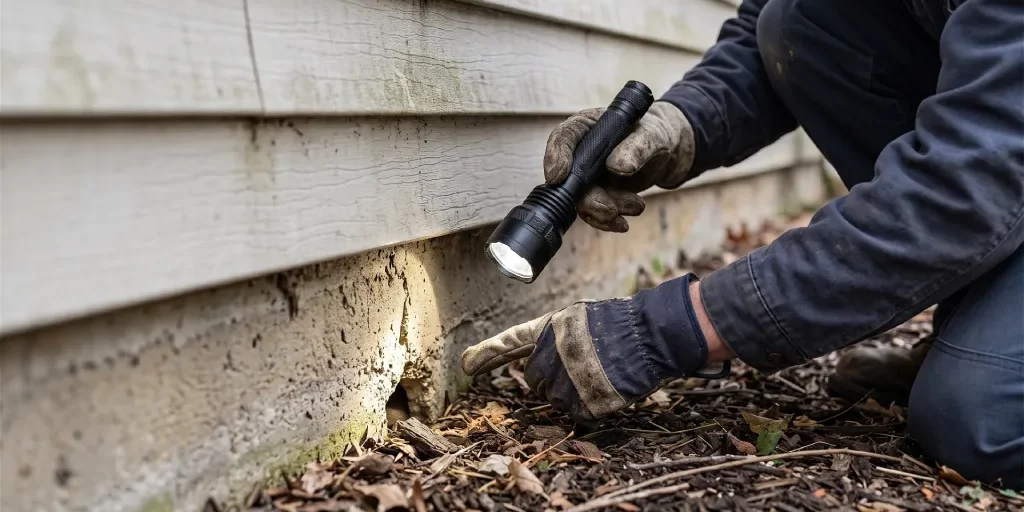
- Exterior treatment: a barrier around the foundation, entry points, and outdoor areas where pests approach the home
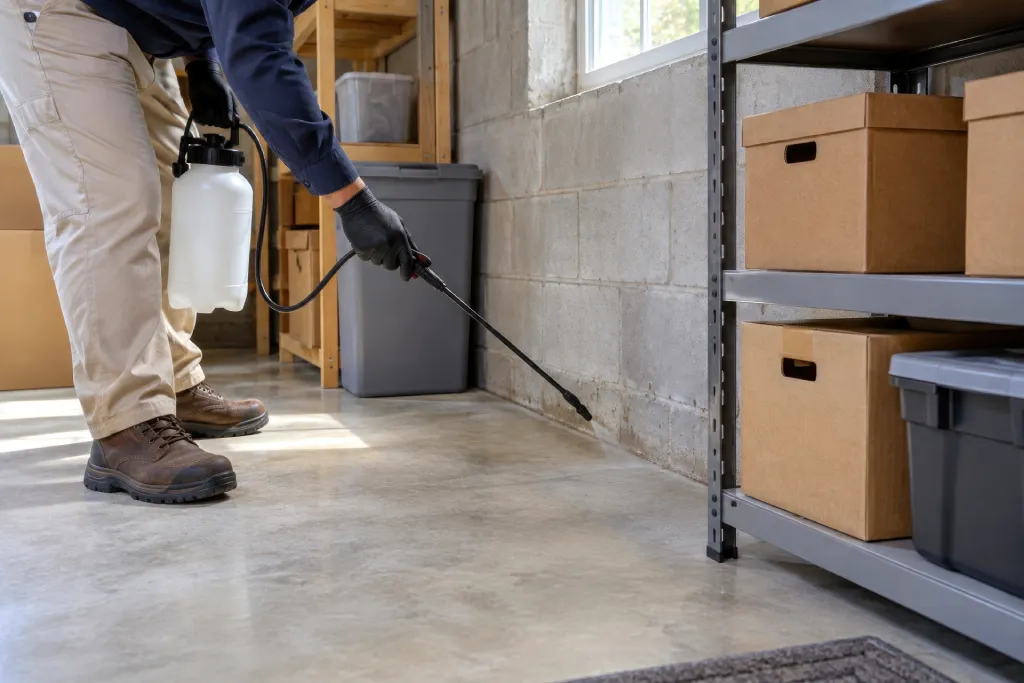
- Interior treatment when needed: targeted service for active problems instead of routine spraying of every room
- Monitoring between visits: checking for new activity so small problems are caught before they spread
Many plans also include follow-up service calls between scheduled visits if new activity appears. Confirm this before signing, since policies differ by provider.
Exterior treatment does most of the preventive work, because stopping pests at the perimeter keeps them out of the living space.
Stop Them at the Door
Block pests outside. Treat inside only when needed. Keep monitoring so small problems never get a chance to spread.
How Is a Plan Different from a One-Time Treatment?
A one-time treatment fixes a current problem, while a plan prevents the next one. The difference comes down to timing and coverage:
1. One-time treatment: responds to a visible problem and offers no protection once the treatment wears off
2. Ongoing plan: renews protection on a schedule and catches new activity early, often before you notice it
3. Cost over time: repeated one-time treatments can add up, so a plan is often more economical in a climate with year-round pest pressure
A single treatment still makes sense for an isolated issue, such as a one-off ant trail.
Timing matters in a second way. Some pests, such as roaches, lay eggs that hatch weeks after a treatment. A scheduled follow-up visit catches those newly hatched pests, while a single treatment leaves them to rebuild the population.
Fix Today, Prevent Tomorrow
One-time treatment fixes today’s problem. A plan prevents tomorrow’s. Scheduled follow-ups also catch pests that hatch after the first visit.
What Happens During a Scheduled Visit?
Each visit follows the same basic sequence: inspect, treat, and document. The technician checks for new activity and entry points, treats the areas that need it, and records what was found so changes can be tracked across visits.
Visits also catch risk factors early, such as a developing gap around a door or utility line. Sealing or flagging these before pests use them prevents bigger problems later.
Plans can be customized, since homes in the same neighborhood face different pests. Common additions include mosquito treatment, rodent exclusion, and scorpion-focused service.
Small Visits, Big Catches
Inspect. Treat. Document. Every visit tracks changes, so entry points and small problems get caught before they grow.
How Much Does a Year-Round Pest Control Plan Cost?
Pricing is based on three factors: home size, visit frequency, and the pests being addressed. Larger homes, more frequent visits, and add-on services generally raise the price.
Ask for pricing before committing and compare the total annual cost to the cost of repeated one-time treatments. A clear estimate should explain what each visit includes, whether follow-up calls cost extra, and what happens if you cancel.
Read The Whole Price Tag
Home size, visit frequency, and pests set the price. Compare total annual cost, not per-visit rates. Ask what follow-up calls cost.
What Should You Ask Before Signing a Plan?
A few questions reveal how a plan works before you commit:
1. What exactly is included in each visit, inside and outside?
2. Are follow-up service calls between visits included or charged separately?
3. What is the contract length, and what happens if I cancel?
4. How are products chosen, and are they appropriate around children and pets?
5. Is the company licensed in Arizona?
The Arizona Office of Pest Management licenses pest control companies, so you can verify a provider before signing. Written answers to these questions make it easier to compare plans fairly.
Get It in Writing
Get inclusions, follow-up policy, and cancellation terms in writing. Check the company’s Arizona license. Clear answers make plans easy to compare.
How Do You Know If a Plan Is Working?
The clearest sign is that there are fewer sightings over time. Track what you see before starting the plan and compare it after a few visits and share that with your technician so the plan can be adjusted.
A plan involves scheduled visits spanned across the year, not constant weekly treatment, so it should not feel disruptive. If problems continue, ask what is being done differently.
Get It In Writing
Fewer sightings over time means it’s working. Track activity before and after starting. If problems persist, ask what will change.
Can You Change a Plan Later?
Yes, and plans should be adjusted as your situation changes. A new baby, an older family member, a nearby construction project, or a change in pest activity can all shift priorities. Larger properties and multi-unit sites may need a different structure from a single home.
Family First Pest Control starts plans with a home inspection and recommends coverage based on what it finds. Call 602-292-5429 to learn more about plan options.
A Plan That Moves With You
Your home changes, so your plan should too. New family members, nearby construction, or shifting pests all justify an update.
Frequently Asked Questions
Most plans include quarterly or bi-monthly visits. The right frequency depends on your home’s pest history, size, and the pests most active in your area.
Yes, for an isolated problem such as a single ant trail or a one-off sighting. Because the treatment wears off over time, though, it does not protect against pests that arrive later.
Yes. Changes to your home, your family, or nearby conditions can shift which pests matter most, so ask your provider to update the plan instead of waiting until the next renewal.
No. Visits are spaced across the year, usually every two to three months. Between visits the plan relies on the protection already in place and on monitoring for new activity.
Often not. Termite control is commonly a separate service because it involves different inspection and treatment methods, so ask whether it is included or offered as an add-on.
Plan Basics at a Glance
Visits run every two to three months. Plans can be adjusted as your needs change. Termite service is often separate, so ask.
Ready for Pest-Free Peace of Mind?
Family-owned, eco-friendly pest control since 2018
Call Family First Pest Control at 602-292-5429 to learn more about our year-round pest control plans.