


Rodents in Your Maricopa County Home: Signs You Must Know
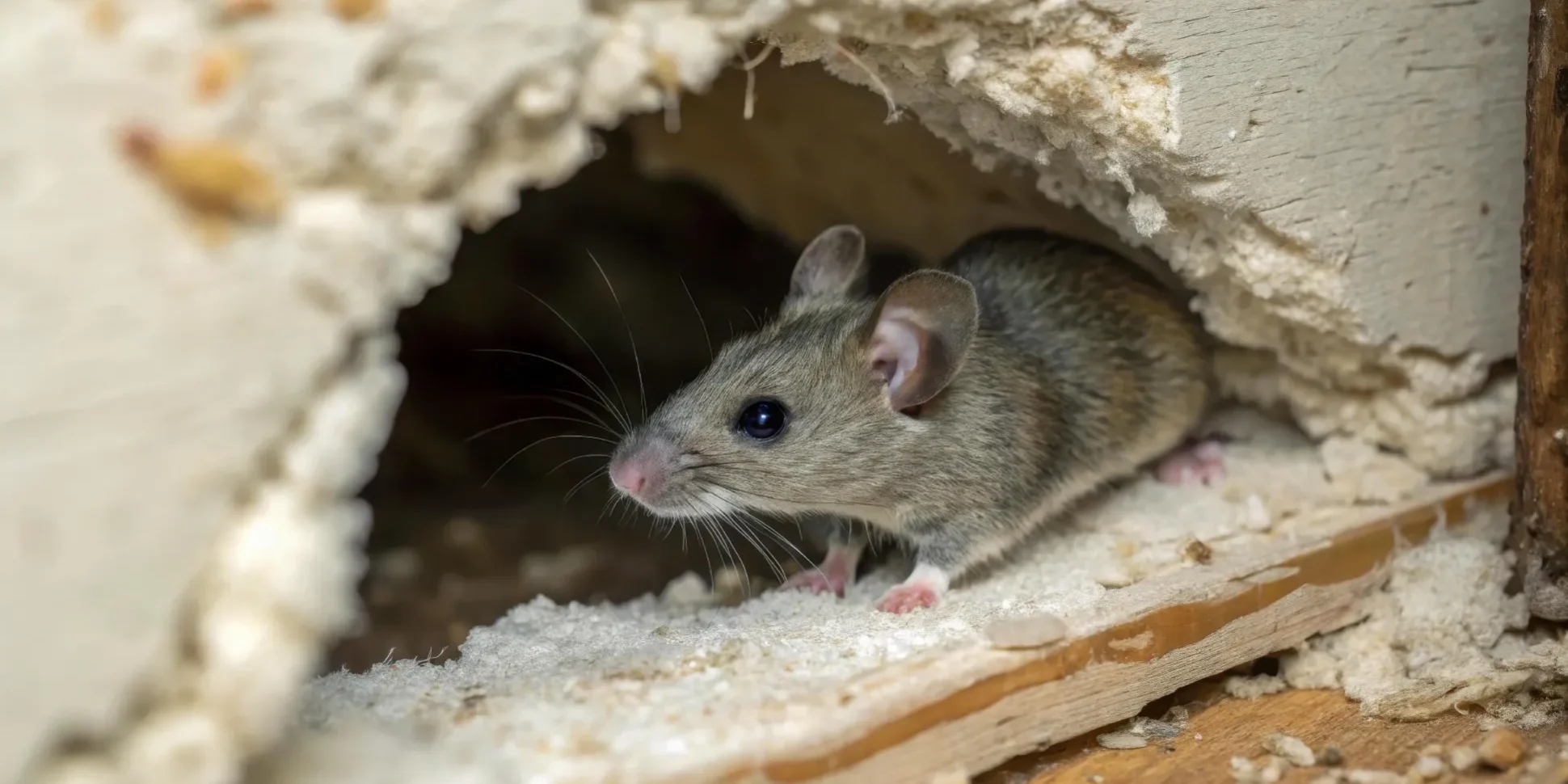
Maricopa County’s warm climate, abundant vegetation, and expanding neighborhoods create ideal conditions for rodents. Rodents in Maricopa County — including roof rats, house mice, pack rats, and Norway rats are the most common species found in Phoenix-area homes. Rodent control is a year-round necessity, as urban growth brings wildlife closer to residential areas. Recognizing warning signs early is the most effective way to protect your family and home from infestation.
Physical Signs of a Rodent Infestation
The most reliable early indicators of a rodent problem are the physical traces left behind as rodents move through your home at night. Because rodents are nocturnal, homeowners rarely see them directly and instead find evidence of their presence.
Watch for these telltale signs:
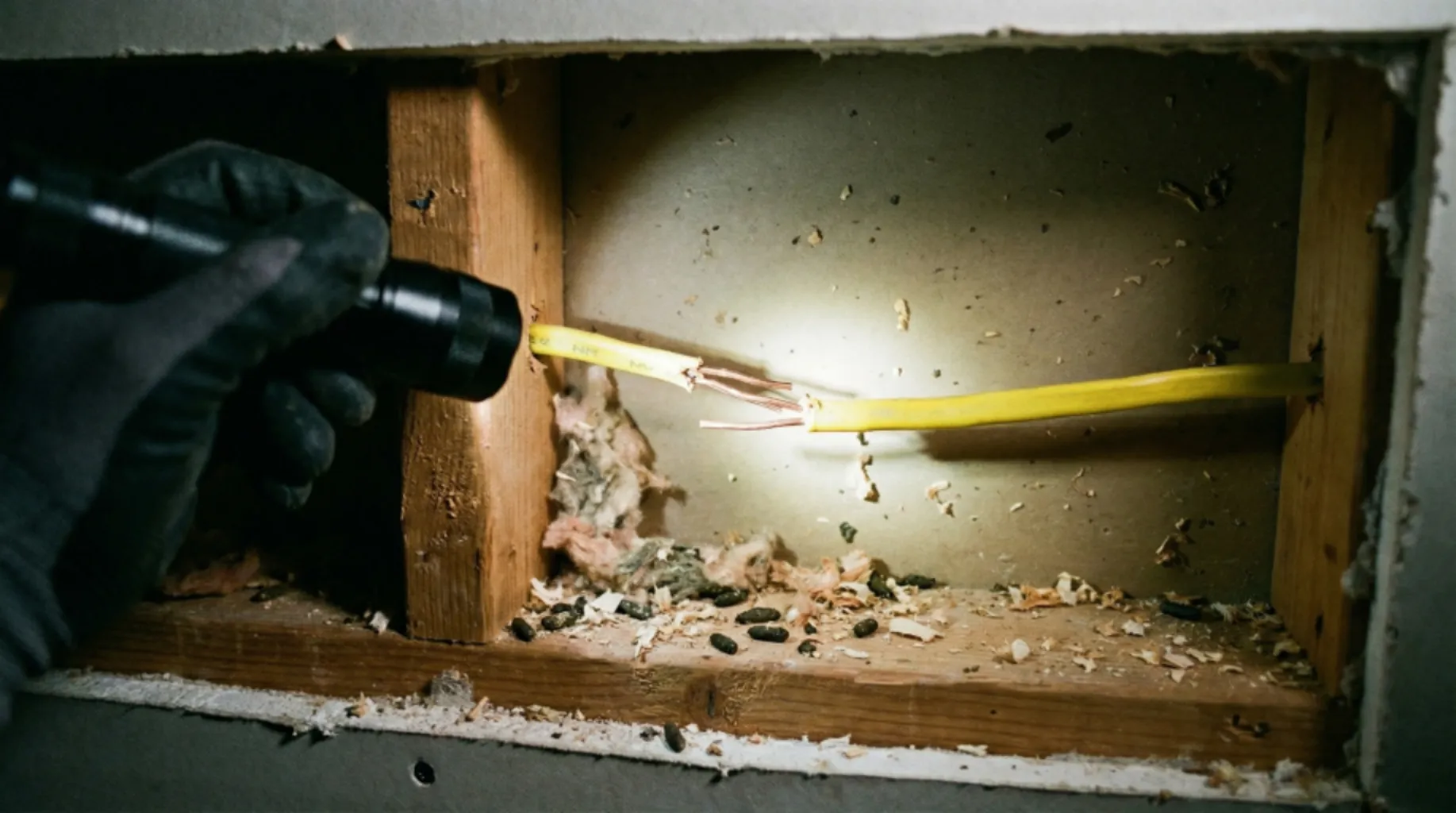
- Droppings along baseboards, inside cabinets, near food storage, and around plumbing. Rod-shaped pellets about the size of a grain of rice indicate active rodent presence.
- Gnaw marks on furniture, baseboards, food packaging, electrical wiring, and PVC pipes. Rodents gnaw continuously because their incisors grow throughout their lives.
- Greasy rub marks along walls and baseboards, caused by rodents’ fur repeatedly contacting surfaces as they follow established travel routes.
- Shredded nesting material, such as torn insulation, paper, fabric, and plant matter, is found in dark, secluded areas, such as attics, wall cavities, and behind cabinets.
- Gnawed food packaging in pantries or kitchen cabinets, often showing small entry holes chewed through cardboard or thin plastic.
Finding even one or two of these signs requires immediate attention. A single rodent sighting often indicates a larger, hidden population, as rodents reproduce quickly and remain concealed until their numbers increase.
Sounds, Smells, and Behavioral Clues
In addition to visible evidence, rodents leave sensory clues that homeowners in Maricopa County should not overlook. These secondary signs often appear before physical damage, making them valuable for early detection.
Sounds to listen for:
- Scratching, scurrying, or squeaking sounds in attics, inside walls, or above ceilings are typically louder after dark when rodents are most active.
- Rustling noises near stored food, cardboard boxes, or in cluttered storage areas.
Smells and pet behavior to notice:
- A strong, musty ammonia-like odor from accumulated urine, especially in enclosed spaces such as crawl spaces, attics, or behind appliances.
- Unusual pet behavior, such as dogs or cats fixating on walls, scratching at baseboards, or becoming agitated in areas where they typically show no interest. Pets often detect rodents before humans do.
Phoenix rodent control professionals report that monsoon season significantly increases indoor rodent activity, as heavy rainfall floods natural burrows and drives pests indoors. Increased activity after a storm is common.
Health Risks and Structural Damage You Cannot Afford to Ignore
Identifying a rodent problem is urgent for both home preservation and the health of all occupants. Rodents encountered by AZ pest control experts pose serious disease risks, especially in Maricopa County.
Health threats associated with rodent infestations include:
- Hantavirus – transmitted through contact with rodent droppings, urine, or nesting material; exposure often occurs when disturbing dried material in attics or storage areas.
- Valley Fever – rodent burrows are breeding grounds for the fungal spores that cause this Arizona-endemic disease. Maricopa County cases increased by 38% from 2023 to 2024.
- Salmonella and food contamination – droppings and urine near food preparation or storage areas pose a direct contamination risk.
- Secondary pest infestations – rodent nests commonly harbor fleas, ticks, and mites that spread to pets and family members
Structural damage further increases these health concerns. Rodents chew through electrical wiring, a leading cause of house fires, and damage PVC plumbing, insulation, sheetrock, and HVAC ductwork. Pack rats are especially known for nesting in vehicle engine compartments and chewing automotive wiring. Effective Phoenix rodent control addresses both health risks and structural damage before repair costs escalate.
What to Do If You Spot the Signs
If you notice any of these warning signs, do not wait for the problem to resolve on its own. Rodents will not leave on their own. A female roof rat can produce up to 5 litters per year, so a small issue can become a significant infestation within weeks if left unchecked.
Immediate steps to take:
- Seal obvious entry points with steel wool and caulk. Rodents can squeeze through gaps as small as a dime.
- Remove outdoor food and water sources, such as fallen citrus fruit, unsecured trash bins, and accessible pet food.
- Eliminate harborage areas, including woodpiles, dense shrubs, and debris stored against exterior walls.
- Contact a licensed rodent pest control professional in Arizona for a thorough inspection and treatment plan.
DIY trapping may temporarily reduce rodent activity, but it rarely addresses entry points, nesting sites, or the full extent of the infestation that a trained technician can systematically resolve.
Conclusion
Rodents in Maricopa County present a year-round challenge due to Arizona’s climate, monsoon season, and ongoing suburban expansion. Warning signs such as droppings, gnaw marks, rub marks, scratching sounds, foul odors, and agitated pets indicate the need for immediate professional rodent control. Prompt action protects your family from hantavirus, Valley Fever, and contamination risks, while also preventing structural damage to wiring, plumbing, and insulation.